

Special Needs Plans
Overview Summary: This short guide briefly explains special needs plans. |
Basics
Special Needs Plans (SNPs) are a type of Medicare Advantage plan designed to provide tailored healthcare coverage for individuals with specific needs. These plans offer specialized benefits, provider choices, and drug formularies to effectively meet the unique requirements of their enrollees. SNPs are available in three main types: Dual Eligible Special Needs Plans (D-SNPs), Chronic Condition Special Needs Plans (C-SNPs), and Institutional Special Needs Plans (I-SNPs).
Special Needs Plans (SNPs) are specialized Medicare Advantage plans that address the unique healthcare needs of specific populations. D-SNPs are for those who qualify for both Medicare and Medicaid, offering integrated care and additional benefits. C-SNPs focus on individuals with certain chronic conditions, providing specialized care and resources to manage their health. Understanding the different types of SNPs can help beneficiaries choose a plan that best meets their specific healthcare needs.
D-SNP
Dual Eligible Special Needs Plans (D-SNPs)
D-SNPs are designed for individuals who are eligible for both Medicare and Medicaid (dual eligibles). These plans coordinate benefits between Medicare and Medicaid, providing comprehensive coverage that includes medical, prescription drug, and sometimes additional benefits such as vision, dental, and hearing services. D-SNPs help streamline care and reduce out-of-pocket costs for dual eligibles by integrating services from both programs.
Individuals enrolled in Dual Eligible Special Needs Plans (D-SNPs) often do not have to pay their Medicare Part A or Part B premiums. This is because they are eligible for both Medicare and Medicaid, and Medicaid typically covers these premiums for dual eligibles. Additionally, Medicaid may also help with other out-of-pocket costs, such as deductibles, copayments, and coinsurance, depending on the specific state Medicaid program and the individual’s level of Medicaid eligibility.
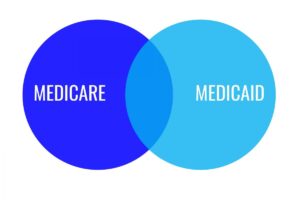
Medicaid and D-SNP
Disenrollment from Medicaid and Its Effects on D-SNP Clients:
When clients are disenrolled from Medicaid, it affects their Dual-Eligible Special Needs Plan (D-SNP) enrollment. D-SNP plans are designed for individuals who qualify for both Medicare and Medicaid, and losing Medicaid eligibility can lead to disenrollment from their D-SNP plan. This transition can disrupt their coverage and benefits, making it essential to manage and monitor their Medicaid status closely.
Recertifying with Medicaid:
Recertifying with Medicaid is crucial for maintaining a client’s D-SNP plan. Medicaid eligibility must be reviewed periodically, and clients must submit updated information to continue receiving benefits. Assisting clients in the recertification process ensures they remain on their D-SNP plan, which often offers more comprehensive coverage than standard Medicare Advantage plans.
Levels of Medicaid:
There are several levels of Medicaid, including:
- Qualified Medicare Beneficiary (QMB): Covers Medicare Part A and B premiums, deductibles, coinsurance, and copayments.
- Qualified Medicare Beneficiary Plus (QMB+): Offers the same benefits as QMB, with full Medicaid coverage for additional services.
- Specified Low-Income Medicare Beneficiary (SLMB): Pays for Medicare Part B premiums.
- Specified Low-Income Medicare Beneficiary Plus (SLMB+): Similar to SLMB, with added Medicaid benefits for certain services.
- Qualified Individual (QI): Covers Medicare Part B premiums; limited funding, first-come, first-served.
- Full Benefit Dual Eligible (FBDE): Provides full Medicaid benefits alongside Medicare coverage.
Applying for Medicaid and LIS/Extra Help:
Helping clients apply for Medicaid and Low-Income Subsidy (LIS) or Extra Help is essential for securing their D-SNP enrollment. If eligible, these programs provide significant financial assistance with Medicare costs, including premiums, deductibles, and co-payments. By ensuring clients receive these benefits, you help lock them into a D-SNP plan, offering them more comprehensive and desirable coverage. This proactive support strengthens your client relationships and enhances their overall healthcare experience.
C-SNP
Chronic Condition Special Needs Plans (C-SNPs)
C-SNPs cater to individuals with specific chronic conditions, such as diabetes, heart disease, or chronic lung disorders. These plans offer customized care management and benefits tailored to the specific needs of individuals with chronic illnesses. C-SNPs typically provide access to a network of healthcare providers with expertise in managing the covered conditions, ensuring that members receive specialized and coordinated care to manage their health effectively.
Diabetes and heart conditions are often the main conditions among Chronic Condition Special Needs Plan (C-SNP) beneficiaries because these illnesses are common and require specialized, ongoing care. C-SNPs provide targeted support, including access to specialists, medication management, and tailored treatment plans, to help individuals manage these chronic diseases effectively and improve their health outcomes.
C-SNP Enrollments
Chronic Special Needs Plans often provide more comprehensive benefits to individuals with specific chronic conditions, making them a little more than standard MA/MAPD and can be good options for clients that do not have Medicaid.
Appointment Preparation:
When attending a client appointment, ensure you have copies of your area’s main carriers’ Verification of Chronic Condition (VCC) forms. Leave one with the client for their doctor to sign, as clients may not realize that the carrier will mail a copy. Explain that the form verifies that they have one of the chronic conditions listed on the form. Explain to the client that they should have their Chronic VCC form signed and faxed back to the client as soon as possible. Which allows their new benefits to stay in effect.
Form Submission and Timeline:
Clients have 60 days to have the VCC form signed and faxed back to the carrier by their doctor. This ensures their new benefits remain active. The new benefits will take effect on the first day of the next month following the completion of this process. It is crucial to track the status of your clients and their VCC forms using carrier portals (such as vantage with Humana) and your CRM (a Google document is also good VCC status note keeping).
Ensuring Compliance:
If the client fails to submit the VCC form on time or if the doctor does not agree that the client has a chronic condition, their plan and coverage may lapse. If a client has not completed the form, take action with the appropriate plan and codes, usually related to chronic conditions. If the doctor disagrees with the diagnosis, you may need to enroll the client back into their former MAPD plan or another suitable plan.
Handling VCC Issues:
If the VCC form is not signed and faxed back in time but the client does have a chronic condition, attempt to re-enroll the client in the plan. Contact the carrier for assistance to resolve the form issue, which may help the client with medications until resolved.
Importance of VCC Compliance:
Ensuring clients complete their VCC forms is vital to prevent plan lapses. Leave a VCC form with the client and provide a proper explanation. Additionally, provide the client with the carrier’s phone number to verify their VCC over the phone if necessary.